Zepbound®
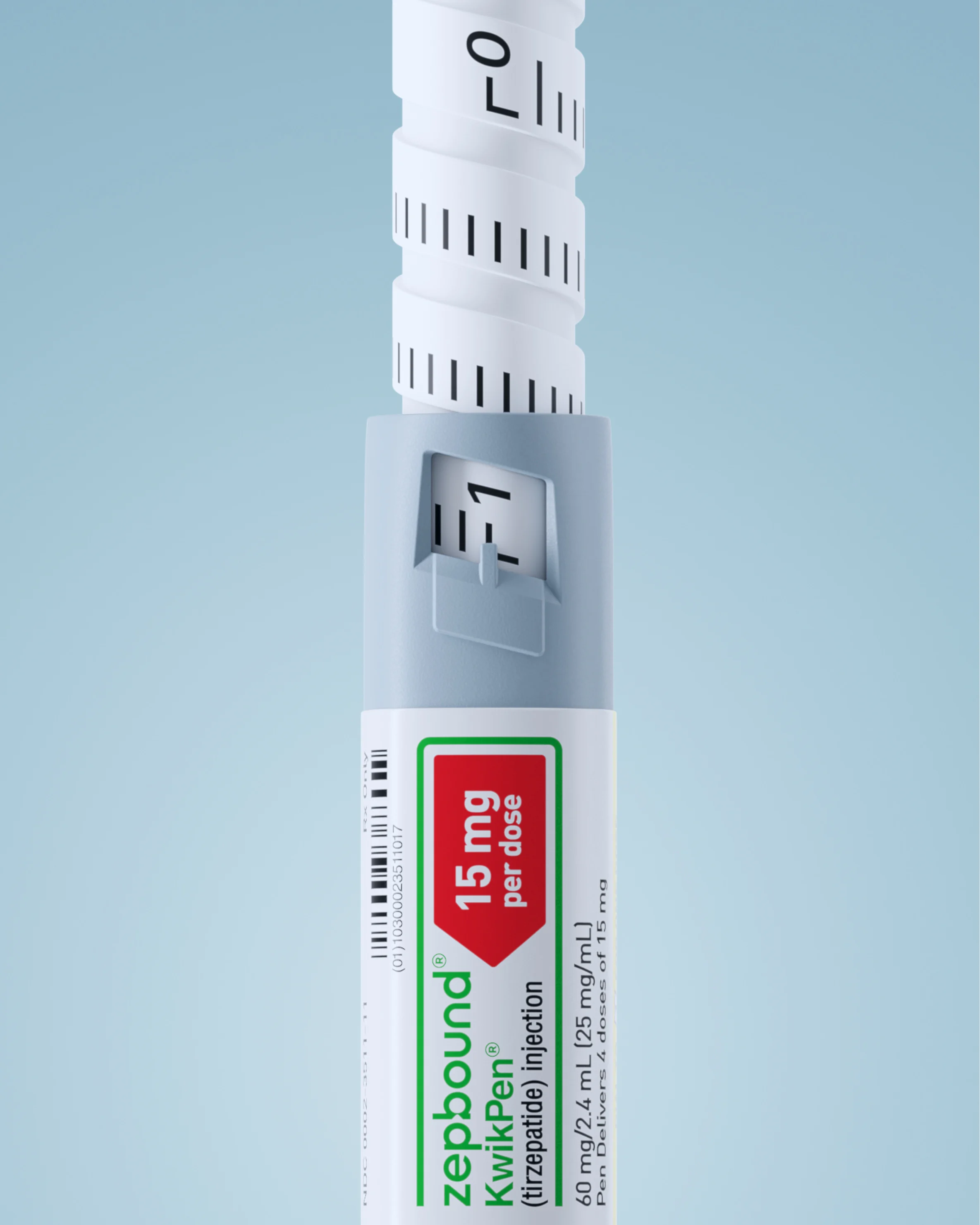
Zepbound® (tirzepatide) — FDA-approved weight loss. Average 20–22% body weight loss in clinical trials — the highest result of any approved weight loss drug. Online evaluation, all 50 states.
Prescription required. Provider determines clinical appropriateness.
Zepbound® (tirzepatide) — dual GIP/GLP-1 weight loss
Zepbound® is tirzepatide, a dual GIP/GLP-1 receptor agonist FDA-approved for chronic weight management. Head-to-head data shows Zepbound® produces approximately 20-22% average body-weight loss over 72 weeks — exceeding the ~15% seen with semaglutide. Administered as a once-weekly subcutaneous injection. Eligibility is typically BMI ≥30, or BMI ≥27 with a qualifying comorbidity. The FirstCall platform connects you with an independent, board-certified physician for evaluation and prescription.
tirzepatide (dual GIP + GLP-1 receptor agonist)
once-weekly subcutaneous injection
20-22% of body weight over 72 weeks (clinical trial average)
Educational content. Last clinically reviewed by the FirstCall Clinical Editorial Board, June 2026. The FirstCall platform provides access to independent, licensed physicians; final clinical decisions rest with the prescribing physician. Seek emergency care for severe abdominal pain, signs of pancreatitis, or severe allergic reaction.
What is tirzepatide (Zepbound®)?
Zepbound® is tirzepatide — a dual GIP and GLP-1 receptor agonist FDA-approved specifically for chronic weight management. It targets two incretin pathways simultaneously — GLP-1 (like semaglutide) and GIP — which together produce more potent satiety and metabolic effects than either pathway alone. In the SURMOUNT clinical trials, participants on the maximum dose lost an average of 22.5% of body weight — the largest average weight loss result ever demonstrated by an FDA-approved weight loss medication. Zepbound® is currently the most effective obesity pharmacotherapy available.
Comparing options: Zepbound® (tirzepatide) consistently outperforms semaglutide in head-to-head trial data — approximately 20–22% vs 15% average body weight loss. The dual GIP/GLP-1 mechanism produces additive metabolic effects. For patients whose primary goal is maximum weight loss and who qualify, Zepbound® is generally the preferred option when available and accessible.
What to expect on Zepbound®
Clinical trial averages — individual results vary.
Dual GIP/GLP-1 activity produces strong appetite suppression from the first weeks of treatment.
Average loss at 3 months. Dose escalation continuing toward maintenance dose.
Substantial body composition changes. Metabolic markers improving significantly.
Maximum clinical trial results — the largest average weight loss of any approved drug.
Who qualifies for Zepbound®?
FDA approval covers adults with BMI 30+ (obesity) or BMI 27+ (overweight) with at least one weight-related condition. Tirzepatide is also FDA-approved as Mounjaro® for type 2 diabetes. The physician you're connected with will assess eligibility and whether Zepbound® or another GLP-1 is most appropriate for your profile and coverage situation.
The physician you're connected with will assess eligibility and help navigate insurance or cash-pay options at your free consultation.
How to get Zepbound® through FirstCall
Brief health intake including BMI, health history, and current medications. Free. Takes about 10 minutes.
Physician evaluates eligibility and assists with prior authorization or advises on cash-pay options.
Prescription issued. Ongoing physician access for dose escalation, side effect management, and progress review.
Frequently asked questions
Everything you need to know about Zepbound® and how FirstCall works.
Zepbound® is contraindicated in patients with a personal or family history of medullary thyroid carcinoma or MEN 2. Do not use during pregnancy — discontinue at least 2 months before attempting conception. Common side effects include nausea, vomiting, diarrhea, and constipation during dose escalation — typically diminishing over time. Pancreatitis has been reported. Gallbladder disease risk is increased. Hypoglycemia risk is elevated when combined with insulin or sulfonylureas.
Other GLP-1 options
Your physician will recommend the most appropriate medication for your profile.