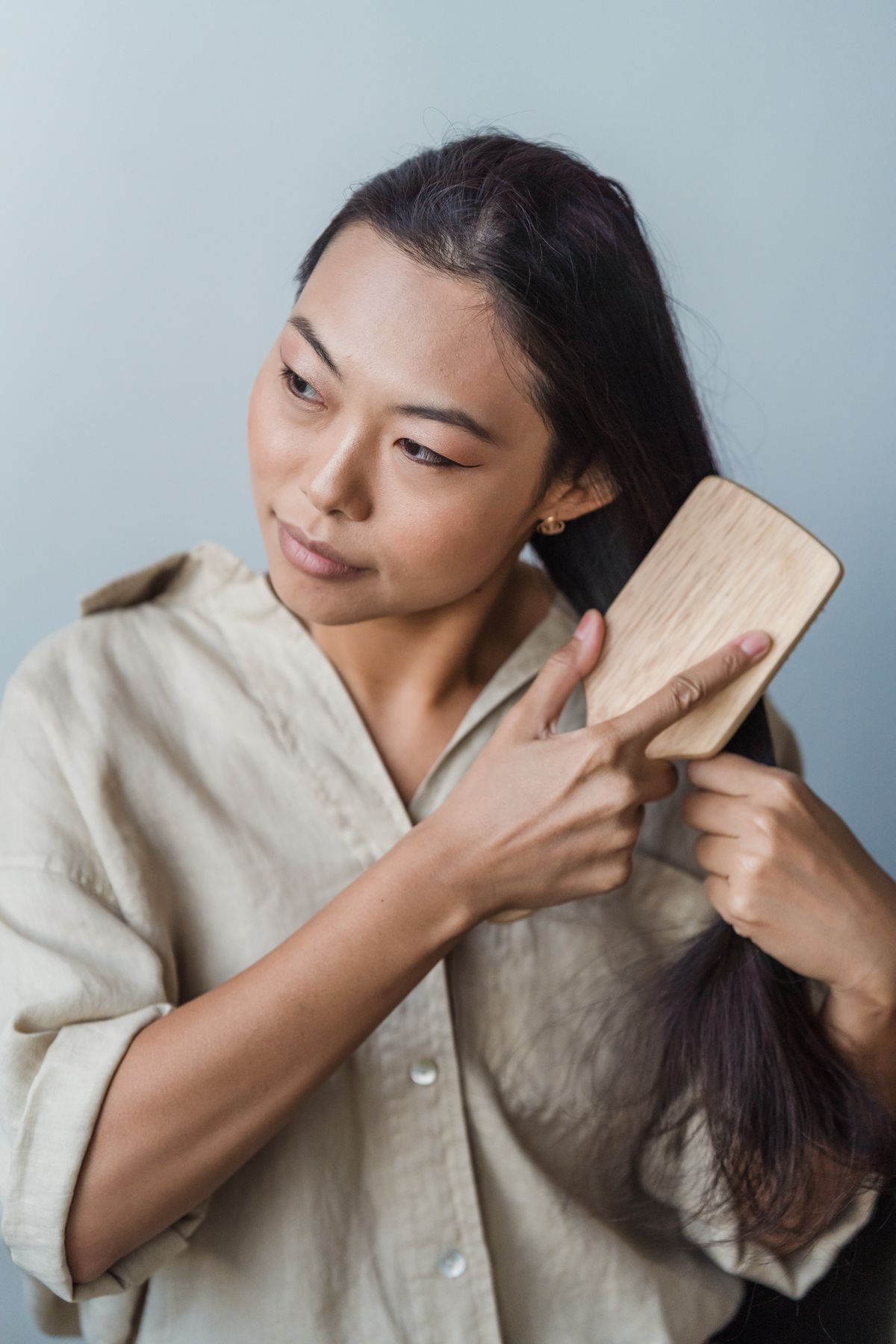

Women's Hair Loss Treatment
FDA-approved and evidence-based hair loss treatments for women prescribed online. Minoxidil, spironolactone, and hormonal therapy available. Same-day prescription.
Prescription required. Provider determines if clinically appropriate.
Women's hair loss treatment online
Female-pattern hair loss is common after menopause but can affect women at any age. Minoxidil (topical or low-dose oral), spironolactone, and hormonal therapy are evidence-based options — your physician will recommend the appropriate combination for your situation. The FirstCall platform connects you with an independent, board-certified physician for evaluation and prescription, sent to a pharmacy of your choice. Severe or scarring hair loss requires in-person dermatology evaluation.
minoxidil, spironolactone, hormonal therapy
early intervention, combination therapy
patchy hair loss, scarring, scalp inflammation
Educational content. Last clinically reviewed by the FirstCall Clinical Editorial Board, June 2026. The FirstCall platform provides access to independent, licensed physicians; final clinical decisions rest with the prescribing physician.
Understanding female pattern hair loss
Understanding the condition makes the treatment decision clearer.
Female pattern hair loss (androgenetic alopecia in women) presents differently from male pattern loss. Women typically see diffuse thinning across the crown and a widening center part rather than a receding hairline. The Ludwig scale (I–III) describes the progression. Androgenic hormones drive follicle miniaturization in genetically susceptible women. Associated conditions including PCOS and thyroid dysfunction can cause or worsen hair loss. Postpartum hair loss (telogen effluvium) typically resolves but may benefit from treatment if severe or prolonged.
Key insight: Female hair loss treatment works best when started early — before significant follicle miniaturization has occurred. Follicles that are actively miniaturizing can be protected. Fully miniaturized follicles cannot be restored.


Hair loss in women is underrecognized and undertreated
Female pattern hair loss affects approximately 40% of women by age 50. Unlike men, women rarely experience complete baldness — but diffuse thinning, widening parts, and reduced volume can significantly affect confidence and identity. Effective prescription treatments exist, and most women who start them early see meaningful improvement. The most important factor is timing — starting treatment while follicles are still active produces the best results.
What to expect
Set realistic expectations and stay consistent — results take time.
Initial shedding may increase temporarily as the hair cycle resets. Stay consistent — this is expected.
Noticeable reduction in daily shedding. Early regrowth may begin to appear.
Visible improvement in part width and overall hair density with consistent treatment.
Full benefit achieved with consistent use. Maintained with continued long-term treatment.
Women's hair loss often has a treatable underlying cause
Unlike male pattern hair loss — which is almost entirely androgenic — female hair loss frequently has contributing medical factors that are treatable. Thyroid dysfunction, iron deficiency, PCOS, and hormonal changes (including postpartum and perimenopause) can all cause or worsen hair loss. The physician you're connected with may recommend blood work to identify these contributors — treating the underlying cause often improves hair loss more effectively than topical treatment alone.

The science behind women's hair loss treatment
Evidence-based treatment addresses the underlying mechanism — not just the symptoms.
Topical minoxidil 2% is FDA-approved for female pattern hair loss. Low-dose oral minoxidil (0.5–1mg daily) is increasingly used with excellent evidence and better compliance due to simpler application. Minoxidil extends the anagen (growth) phase and increases follicle activity. Your physician will recommend the appropriate form based on your health history.
Spironolactone is an anti-androgen used off-label for female pattern hair loss. It blocks androgen receptors in the scalp, reducing the hormonal driver of follicle miniaturization. Particularly effective for women with elevated androgens or androgen-sensitive hair loss, including PCOS-related hair loss.
Minoxidil and spironolactone address different mechanisms — one driving follicle activity, the other blocking the hormonal cause. Many women achieve superior results with combination treatment. Your physician will recommend the appropriate combination based on your hair loss pattern, hormone levels, and health history.
Treatments that work together
Comprehensive care often combines complementary treatments for better outcomes.

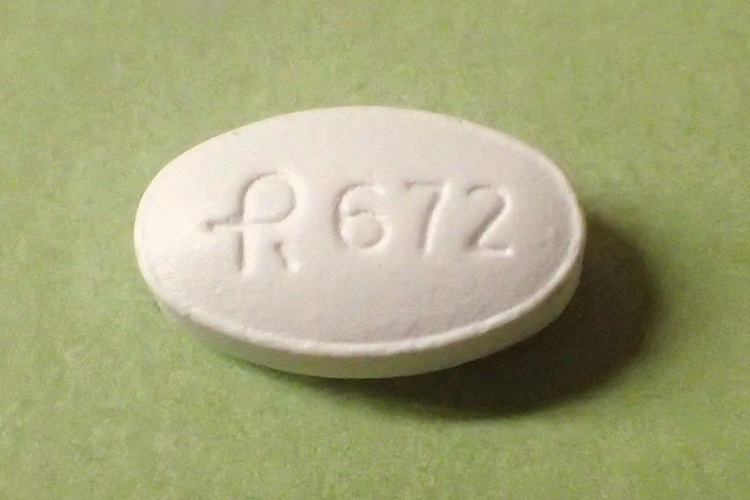

No dermatologist waitlist. Prescription the same day.
A dermatologist consultation for hair loss can mean a 6–12 week waitlist. Physicians on the FirstCall platform can prescribe the same medications after a brief 10-minute online consultation — same day. Submit your intake, describe your hair loss pattern, and receive a prescription to your pharmacy or your door.
How it works
From first visit to prescription in as little as 15 minutes.
Brief online health questionnaire from your phone. Takes 5–10 minutes.
A board-certified physician reviews privately and recommends your treatment — same day.
Sent to your pharmacy or shipped discreetly in plain, unmarked packaging.
Women's hair loss treatment — affordable pricing
Free consultation. Minoxidil and spironolactone at competitive pricing.
How we’re different
FirstCall was built to make women’s health care genuinely accessible.
No 3-week appointment waitlists. Board-certified physicians prescribe the same day — often within the hour.
HIPAA-protected. Plain unmarked packaging. No waiting room, no front desk, no one who knows you.
One membership covers your whole household — women’s, men’s, senior care, and pets.
Trusted telehealth provider since 2017. Board-certified physicians licensed in your state.
*Based on publicly available competitor information.
Frequently asked questions
Clear answers about women's hair loss treatment and how FirstCall works.
Spironolactone must not be taken during pregnancy — it can cause birth defects. Women of childbearing age taking spironolactone must use effective contraception. Do not use oral minoxidil during pregnancy. Spironolactone can affect potassium levels — your physician may monitor labs during treatment. Report significant leg swelling, chest pain, or shortness of breath promptly. Read full prescribing information ›
Related treatments
Other women’s health treatments available through FirstCall.