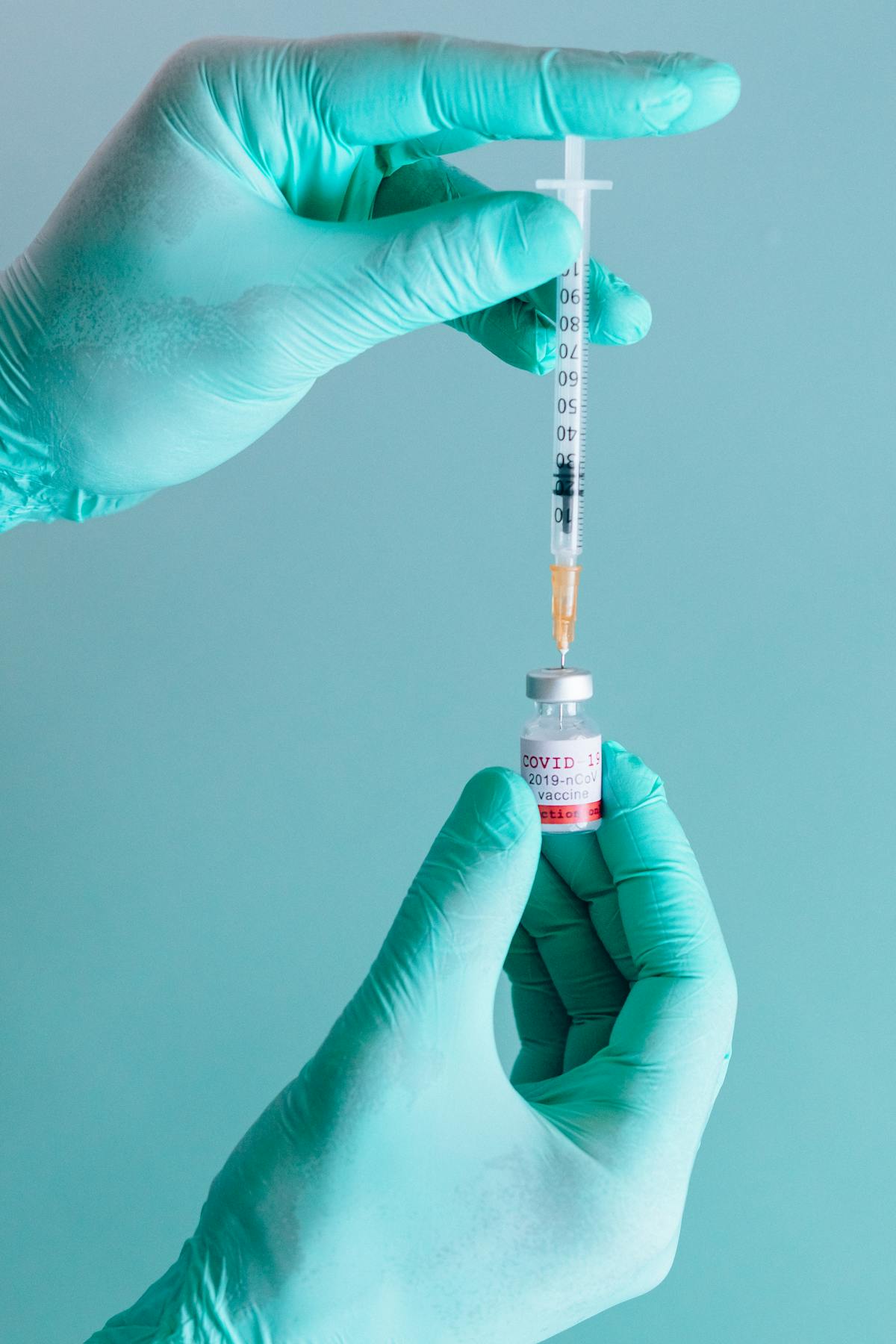


Peptide therapy — with a physician, not a gray market vendor
Peptides are short amino-acid chains used as signaling molecules — for tissue repair, growth-hormone optimization, metabolic support, and sexual wellness. The FirstCall platform connects you with an independent, board-certified physician for evaluation and, when clinically appropriate, sends a prescription to a licensed 503B compounding pharmacy. No “research use only”, no anonymous vendors, no guesswork on dosing.
Prescription required. Final clinical decisions rest with the prescribing physician.
Peptide therapy through a licensed physician
Peptides are short amino-acid chains used as targeted signaling molecules — for tissue repair, growth-hormone optimization, metabolic support, and sexual wellness. The FirstCall platform connects you with an independent, board-certified physician for evaluation; when clinically appropriate, prescriptions are sent to a licensed 503B compounding pharmacy that follows USP standards. Some peptides are FDA-approved (Tesamorelin, PT-141); many are accessed via compounding for off-label use under physician supervision.
Tesamorelin (Egrifta®), PT-141 / Bremelanotide (Vyleesi®)
Sermorelin, CJC-1295 / Ipamorelin, BPC-157, TB-500
physician evaluation, USP-standard compounding pharmacy, prescription oversight
Educational content. Last clinically reviewed by the FirstCall Clinical Editorial Board, June 2026. The FirstCall platform provides access to independent, licensed physicians; final clinical decisions rest with the prescribing physician.
Signaling molecules, not steroids
Peptides are short chains of amino acids — the same building blocks that make up every protein in your body. As therapeutics, they act as signaling molecules: each one binds to a specific receptor and tells cells to perform a specific action. Some release growth hormone. Some accelerate tissue repair. Some modulate sexual response. They are not anabolic steroids, and most are not testosterone replacements.
Research interest in peptides has grown rapidly. Some — Tesamorelin (Egrifta®) and Bremelanotide (PT-141, Vyleesi®) — are FDA-approved. Many others are accessed via licensed 503B compounding pharmacies for off-label use under physician supervision.
Why physician supervision matters: Peptide dosing, frequency, and stacking decisions affect both efficacy and safety. Gray-market vendors give generic protocols; a physician adapts to your labs, goals, and medical history.

The peptides we connect patients to
Each peptide has distinct mechanisms and use cases. The physician you’re connected with selects what’s appropriate after evaluating your goals, history, and (where relevant) baseline labs.
PT-141 (Bremelanotide)
FDA-approved as Vyleesi® for hypoactive sexual desire disorder in premenopausal women. Activates melanocortin receptors in the central nervous system to enhance sexual arousal. Often used off-label in men for low libido.
Tesamorelin
FDA-approved as Egrifta® for HIV-related lipodystrophy. Growth-hormone-releasing hormone analog that selectively reduces visceral adipose tissue. Used off-label by physicians for body composition in carefully selected patients.
Sermorelin
Growth-hormone-releasing hormone (GHRH) analog. Stimulates the pituitary to release growth hormone in natural pulses. Often used for sleep quality, recovery, and body composition support in adults with age-related GH decline.
CJC-1295 / Ipamorelin
Frequently paired: CJC-1295 (GHRH analog) plus Ipamorelin (ghrelin-receptor agonist) work via complementary pathways to amplify GH release. Ipamorelin is selective — minimal effect on cortisol or prolactin.
BPC-157
Body Protection Compound-157, a synthetic pentadecapeptide derived from a sequence in gastric juice. Promising research in tissue healing, gut integrity, and tendon/ligament recovery. Not FDA-approved; access via compounding is evolving per FDA review.
TB-500 (Thymosin Beta-4)
Thymosin Beta-4 fragment. Studied for soft-tissue recovery and inflammation modulation. Frequently used in protocols alongside BPC-157 for compounding effects. Not FDA-approved; access subject to FDA peptide guidance.
Regulatory note: The FDA’s rules around compounding peptides like BPC-157, TB-500, and CJC-1295/Ipamorelin continue to evolve. Availability through licensed 503B compounding pharmacies may change. The physician you’re connected with will tell you what’s currently available and discuss alternatives if access is restricted.
How peptide therapy through FirstCall works
Complete the brief intake
Tell us your goals, health history, and current medications. Takes about 5 minutes.
Physician evaluation
An independent, board-certified physician reviews and discusses the appropriate peptide(s) and dosing protocol. Labs ordered when clinically warranted.
Compounded and shipped
If clinically appropriate, the prescription is sent to a licensed 503B compounding pharmacy. Medication arrives at your door with administration guidance.
What every patient should know
Peptides are bioactive compounds. Side effects vary by peptide, dose, and individual physiology. The physician you’re connected with will discuss the relevant risks and contraindications for the peptide(s) recommended.
- •Injection-site reactions are the most common side effect (redness, mild swelling).
- •GH-related peptides (Sermorelin, CJC-1295/Ipamorelin, Tesamorelin) can cause water retention, mild numbness, or changes in glucose — periodic monitoring is recommended.
- •PT-141 can transiently raise blood pressure and cause nausea or facial flushing within minutes of dosing.
- •Active cancer or recent malignancy is a contraindication for GH-stimulating peptides — disclose your full history during evaluation.
- •Pregnancy and breastfeeding are contraindications for most peptides.
Frequently asked questions
What are peptides and how does peptide therapy work?
Peptides are short chains of amino acids that act as signaling molecules in the body — they instruct cells to perform specific functions like releasing growth hormone, repairing tissue, or modulating sexual response. In therapy they’re used to target specific physiological pathways under physician supervision.
Are peptides FDA-approved?
Some are — Tesamorelin (Egrifta®) is FDA-approved for HIV-related lipodystrophy and Bremelanotide (PT-141, Vyleesi®) is FDA-approved for HSDD in premenopausal women. Many peptides used in wellness practice (BPC-157, TB-500, CJC-1295/Ipamorelin, Sermorelin) are not FDA-approved as finished drug products and are accessed via licensed 503B compounding pharmacies under physician prescription. FDA rules around peptide compounding evolve; eligibility may change.
How are peptides administered?
Most therapeutic peptides are administered as subcutaneous injections using small insulin-style syringes. Some (like GHK-Cu) are available as topical formulations and a few are available orally. The physician you’re connected with will recommend the route based on the peptide and your goals.
Are peptides safe?
When prescribed by a licensed physician and sourced from a licensed compounding pharmacy, common peptide therapies have favourable short-term safety profiles. Long-term safety data is limited for many wellness peptides — this is part of why physician supervision matters. Side effects vary by peptide and dose.
How is this different from buying peptides online?
Gray-market peptide vendors sell “for research use only” — they bypass the FDA pathway, have no physician oversight, no standardised quality testing, and no recourse if something goes wrong. The FirstCall platform connects you with an independent, board-certified physician for evaluation and sends prescriptions to licensed compounding pharmacies that follow USP standards.
Ready to start with a physician?
Free evaluation. The physician you’re connected with picks the appropriate peptide(s) and dosing for your goals.